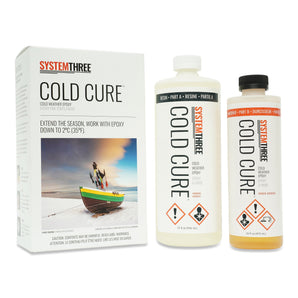
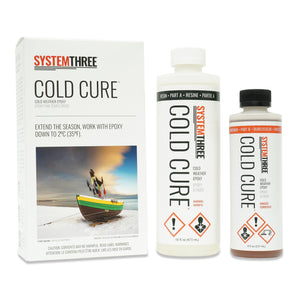
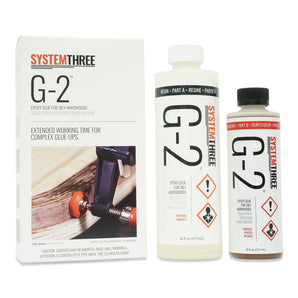
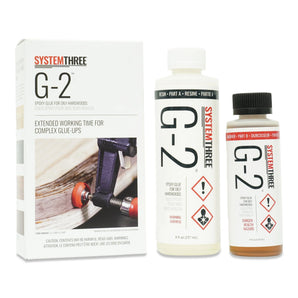
Select an adhesive for the substrates, joint design, working time, cure temperature, gap size and service environment. Fast-curing formulas suit quick repairs, while slower systems provide more assembly time and can improve wet-out on larger bonds.
Adhesive, laminating or casting epoxy?
Epoxy adhesive is formulated to bond parts and may be thickened or gap filling. For clear pours, encapsulation and moulded parts, compare casting epoxy and resin. For reinforcement used in composite laminates and repairs, browse fiberglass and composite fabrics.
Application support
Share the materials being bonded, joint size, cure temperature, working time and exposure to water, heat or chemicals. Always review the manufacturer’s technical data for mix ratio, preparation, cure and rated performance.
Frequently asked questions
Is epoxy adhesive the same as casting epoxy?
No. Adhesives are designed for bond strength and joint performance; casting products are designed for controlled pours, flow and cure. Use the formulation intended for the application.
Can epoxy fill gaps?
Some gel, paste and putty epoxies are designed for gap filling, while low-viscosity adhesives need close-fitting joints. Check the product specification before use.
How should surfaces be prepared?
Surfaces generally need to be clean, dry and free of oil, oxidation or loose material. Abrasion or a primer may be required depending on the substrate and product.